
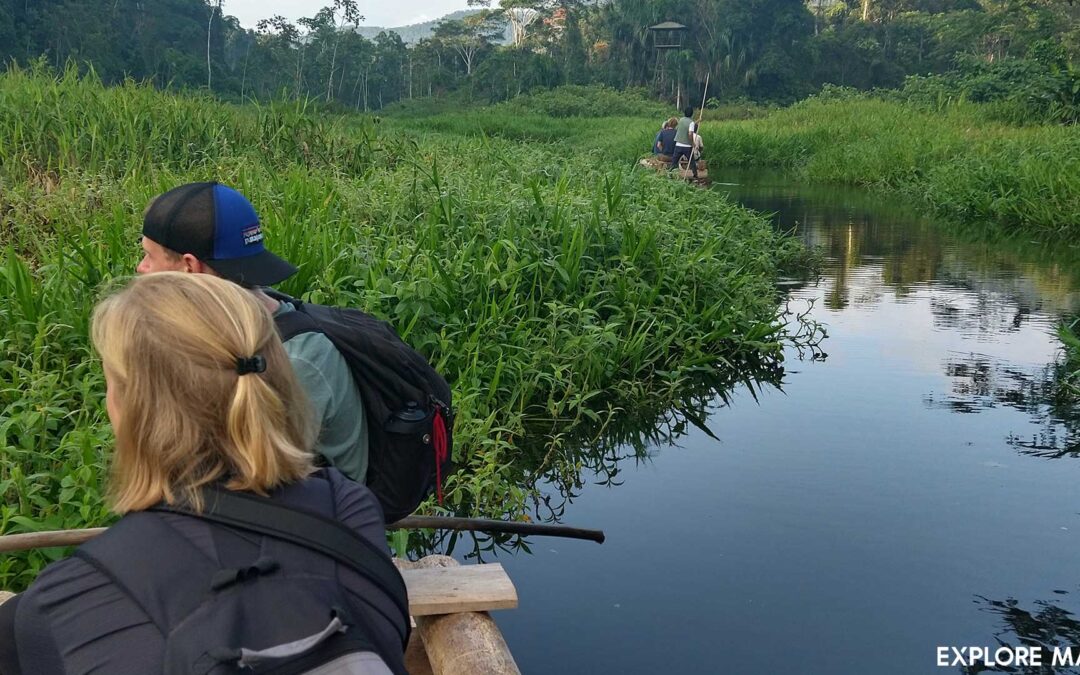
🌿 MANU VS TAMBOPATA: WHAT’S THE REAL DIFFERENCE?
Not all Amazon experiences are the same
If you’re planning a trip to the Peruvian Amazon, you’ll likely come across two names: Manu National Park and Tambopata.
At first glance, they might seem similar.
Both are part of the Amazon rainforest in Peru, both known for extraordinary biodiversity, and both offer access to wildlife and nature.
But the experience is not the same.
And choosing between Manu or Tambopata will shape the kind of journey you have.
Accessibility changes everything
Tambopata is relatively easier to reach. A short flight to Puerto Maldonado, followed by a river journey, and you’re already immersed in the Amazon. The transition feels fluid, with a quicker entry into the forest environment.
Manu takes longer.
There are no shortcuts. You travel by road, then by river, gradually moving deeper into more remote areas of the Amazon basin.
The distance is not just logistical. It begins to shift your sense of time, and how you relate to the place.
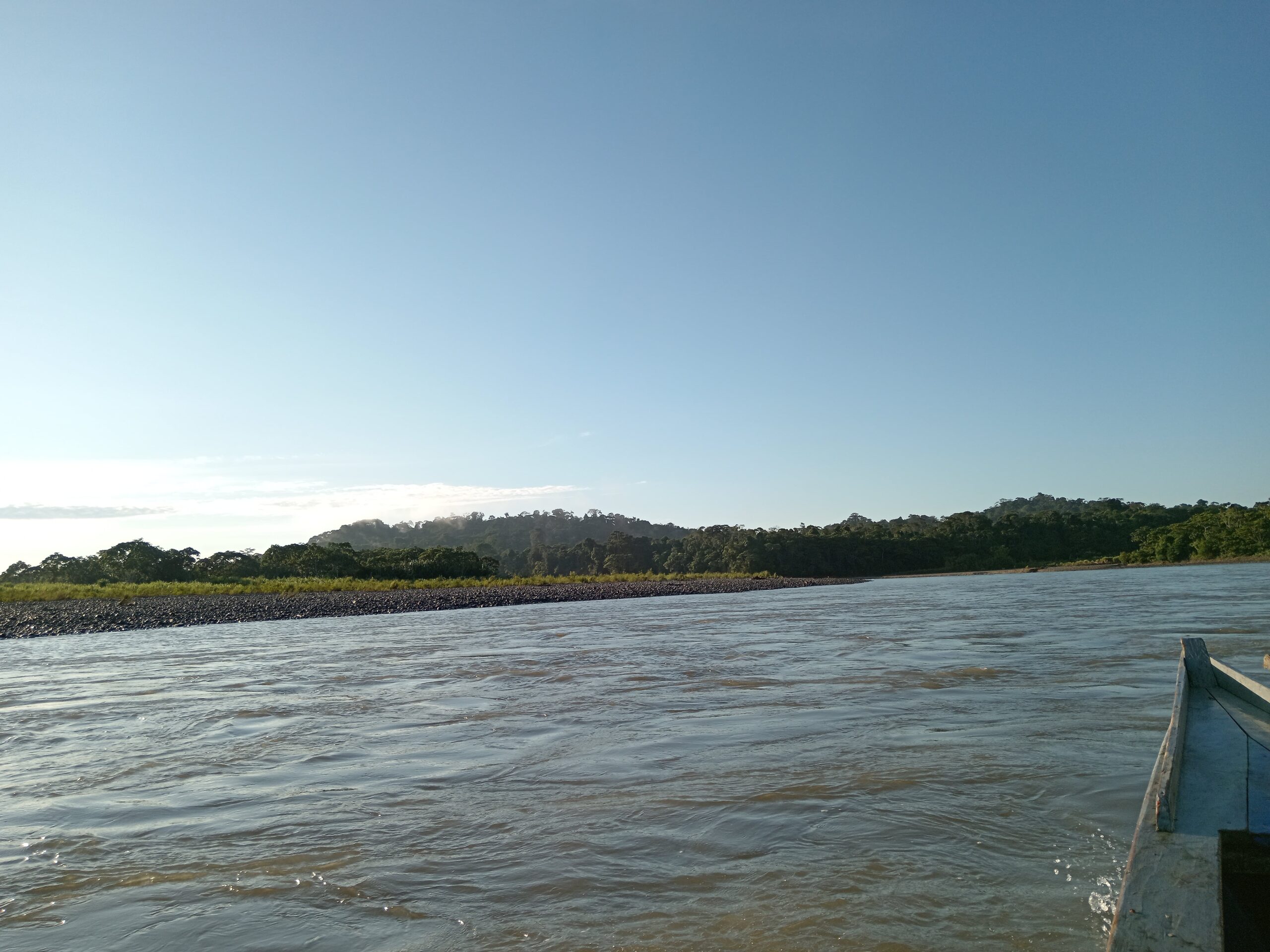
The experience: defined vs unfolding
In Tambopata, the experience tends to follow a clearer rhythm.
Days are shaped in a way that allows you to explore different parts of the rainforest efficiently, with a sense of continuity that many travelers appreciate.
Manu unfolds differently.
Plans can change. Weather plays a role. The forest sets the pace.
Some days feel quiet. Others don’t.
You don’t move through Manu expecting constant activity.
You stay long enough for the experience to take form on its own.
Wildlife: expectation vs presence
Both Manu and Tambopata are among the most biodiverse regions in the Amazon rainforest.
In Tambopata, wildlife sightings are often more consistent, supported by accessibility and established routes.
In Manu, the scale is larger, the forest denser, and the experience more open.
Encounters are not always predictable but when they happen, they tend to feel less mediated, more part of the environment itself.
It’s not about seeing more wildlife.
It’s about how that encounter happens.
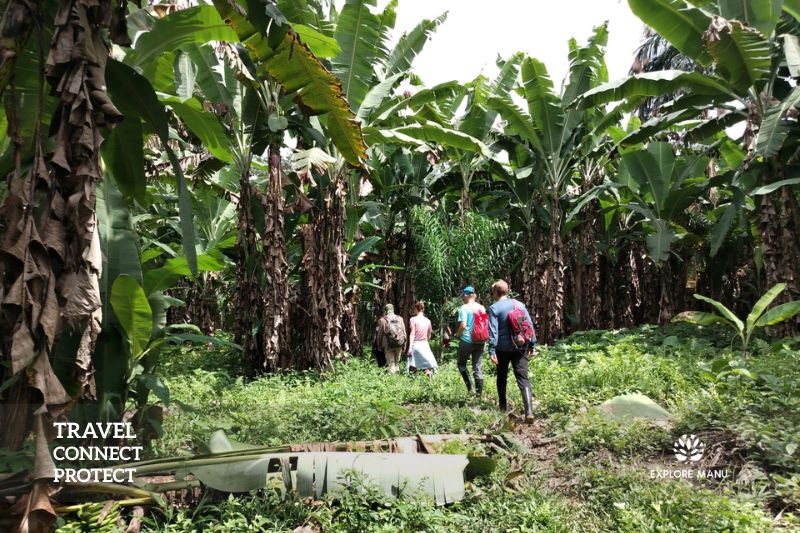
Beyond the forest: a living culture
In Manu, the experience goes beyond biodiversity.
As you travel through the region, you pass along areas where indigenous and local communities continue to live in close relationship with the forest.
Not as a display, and not as part of a designed experience but as everyday life.
There are places within the Manu Biosphere Reserve where traditions, agricultural practices, and ways of understanding the environment are still present in a very direct way.
Languages are still spoken.
Knowledge is still passed on.
The forest is not separate from life its part of it.
Some of these communities maintain limited contact with the outside world, and others interact more, but the underlying dynamic remains different from more accessible regions.
It’s not something you “visit” in the conventional sense.
It’s something you become aware of briefly as you move through a landscape that is not only natural, but cultural.
A different kind of immersion
Tambopata allows for a more immediate connection to the rainforest, with a pace that helps you engage from the beginning.
Manu asks for more time.
Long travel days, limited connectivity, and a slower rhythm shape the journey.
Not everything is immediate, and not everything is explained.
But that distance — physical and intangible — is part of what defines the experience of Manu National Park.
So, which one should you choose?
It depends on what you’re looking for in an Amazon rainforest trip.
Choose Tambopata if:
• You’re looking for a more accessible Amazon experience
• You prefer a clearer structure during your trip
• You want a shorter journey with consistent exploration
Choose Manu if:
• You’re drawn to more remote and less accessible regions
• You’re comfortable with uncertainty and slower travel
• You’re interested in both biodiversity and the presence of living cultures within the forest
The difference, in simple terms
Final thought
This isn’t about which destination is better.
It’s about the kind of experience you’re looking for in the Peruvian Amazon.
Some travelers prefer ease, rhythm, and a more immediate sense of connection.
Others are drawn to distance, depth, and the unknown.
Both are valid.
But they are not the same journey.
______________
🌿 Explore Manu
Not for everyone.